
I bring you a weekly bite-sized chunk of the science behind helicopter human factors and CRM in practice, simplifying the complex and distilling a helicopter related study into a summary of less than 500 words. This week: Safety in high-risk helicopter operations: The role of additional crew in accident prevention.
Tag Archives: Communication
H2F BITESIZE #20
I bring you a weekly bite-sized chunk of the science behind helicopter human factors and CRM in practice, simplifying the complex and distilling a helicopter related study into a summary of less than 500 words. This week: Resilience and brittleness in the offshore helicopter transportation system
H2F BITESIZE #19
I bring you a weekly bite-sized chunk of the science behind helicopter human factors and CRM in practice, simplifying the complex and distilling a helicopter related study into a summary of less than 500 words. This week: The potential of technologies to mitigate helicopter accident factors
H2F BITESIZE #18
I bring you a weekly bite-sized chunk of the science behind helicopter human factors and CRM in practice, simplifying the complex and distilling a helicopter related study into a summary of less than 500 words. This week: Impact of adverse weather on commercial helicopter pilot decision-making and standard operating procedures.
H2F BITESIZE #17
I bring you a weekly bite-sized chunk of the science behind helicopter human factors and CRM in practice, simplifying the complex and distilling a helicopter related study into a summary of less than 500 words. This week: The role of native English speakers in safe, efficient radiotelephony
Navigating cross-cultural turbulence: Why the multi-national complexion of aviation demands we should all add culture to our competencies.

Just mentioning the word culture seems often to be met with a glazing over of eyes. I learned that discussing ‘cultural capability’ in the military was unfashionable, uncool, and frankly unmilitary. I have a sense that the same is true in the world of aviation, which is ironic given the uniquely international nature of the industry…
Small Talk, Big distraction: Taking a look at the sterile cockpit concept through the lens of helicopter operations
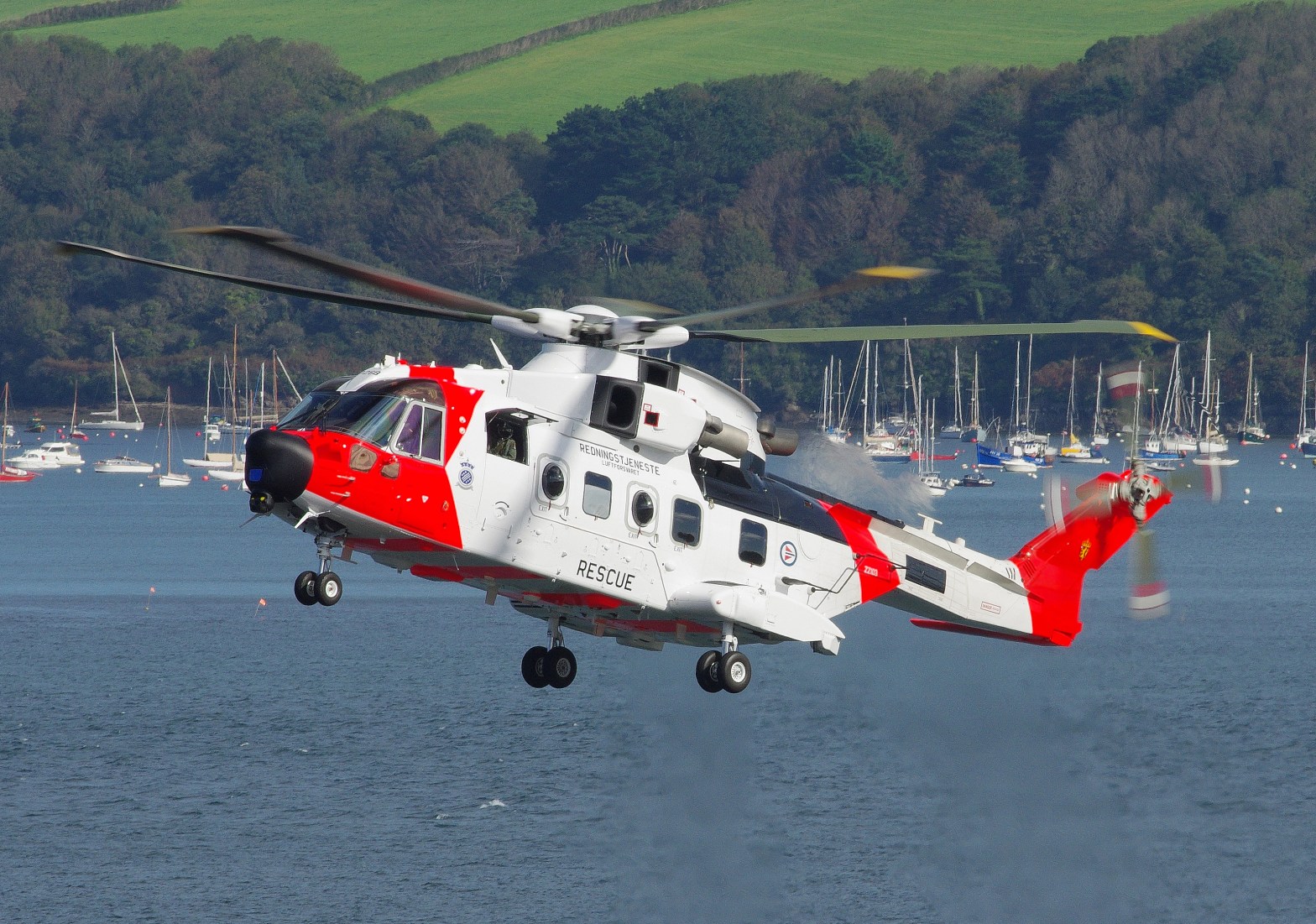
The concept of the ‘Sterile Cockpit’ as a defence against distraction is a well known one, even well below the cruising levels of the world’s airline operations. The chances are most helicopter pilots will be familiar with it as a company Standard Operating Procedure. Not so many will know that it is in fact aContinueContinue reading “Small Talk, Big distraction: Taking a look at the sterile cockpit concept through the lens of helicopter operations”
The checklist in the rotary wing cockpit: Understanding what, why, and how.
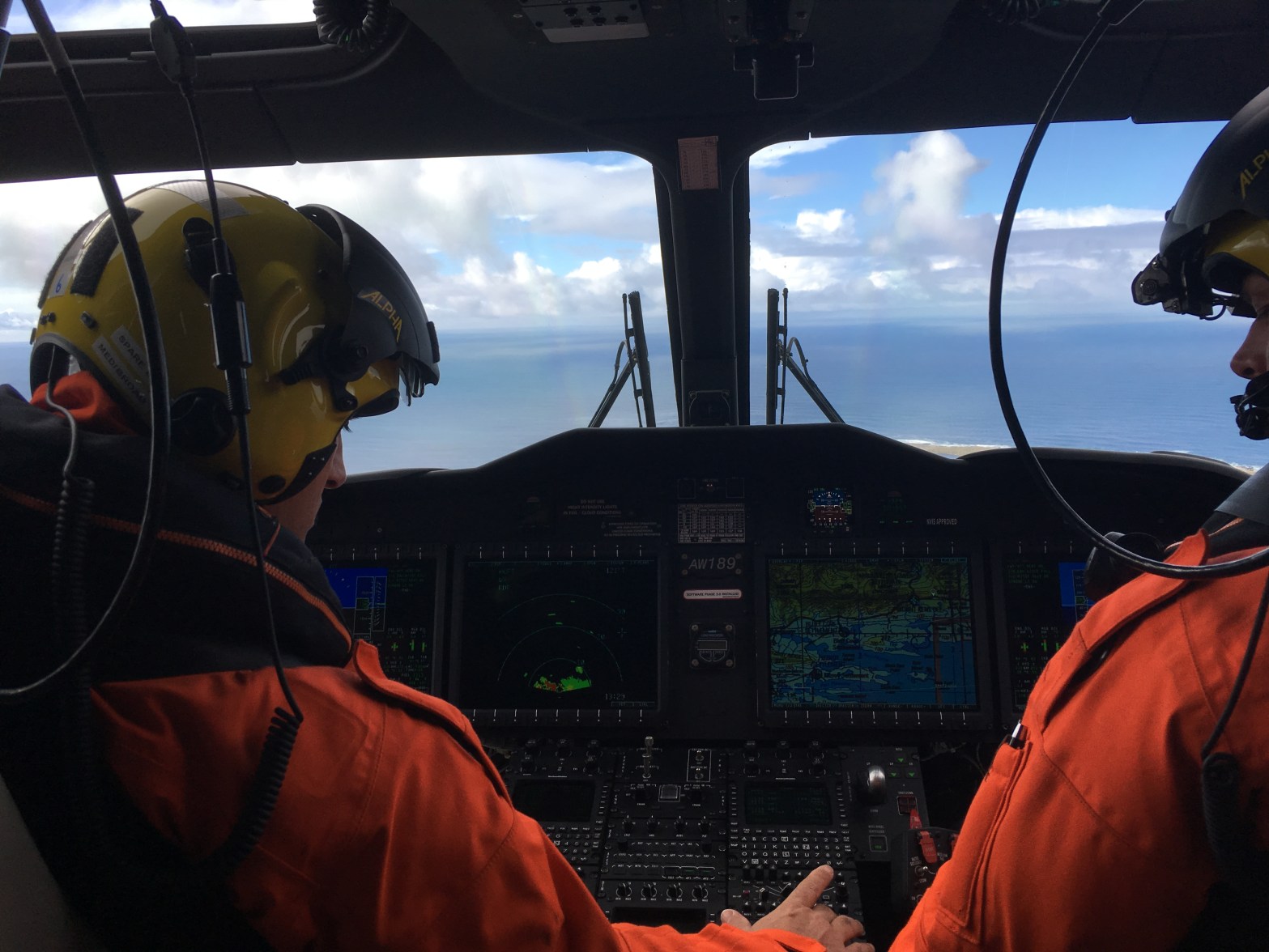
Do helicopter crews have as good an understanding of the proper use of checklists and checklist philosophy as their airline pilot brethren? Like everyone else, I have worked with checklists since I first set foot in the world of aviation. They are omni-present. But my in own experience – as far as I can recollectContinueContinue reading “The checklist in the rotary wing cockpit: Understanding what, why, and how.”
Don’t neglect your CRM: The value of telling stories
Last week was a CRM week. I was immersed in a Crew Resource Management course for aspiring facilitators with three full days dedicated to talking, listening, and learning about flying, human factors, and facilitation. Learning from the experiences of others is a lot of what human factors training is about. You don’t do that withoutContinueContinue reading “Don’t neglect your CRM: The value of telling stories”
Can a fatal accident provide proof that CRM training does save lives?
On July the 4th last year an AW139 departing from Big Grand Cay in the Bahamas at night hit the water shortly after take off killing all on board. The US National Transport Safety Board (NTSB) has just released the transcript from the cockpit voice recorder carried on board. Perhaps the most shocking part ofContinueContinue reading “Can a fatal accident provide proof that CRM training does save lives?”
Flattening the gradient
What former US Navy Captain and leadership guru David Marquet can teach us about managing power gradient. The premise of David Marquet’s book Leadership is Language, (For more on Marquet click to his website) is that the deliberate and self aware choice of language in how we communicate within teams can transform the way we communicateContinueContinue reading “Flattening the gradient”
The Structured Debrief: The Big 7
The Structured DebriefDuring my time in the military a debrief often began with the question, “Any flight safety points?” A closed question. A question that invites a no. It was meant to show the primacy of flight safety in what we were doing. What it actually did was immediately put people on the spot ifContinueContinue reading “The Structured Debrief: The Big 7”
Debrief to learn: El debriefing para aprender
El empleo del ‘debriefing’ como herramienta de entrenamiento para los profesionales aeronáuticos es la manera más eficaz para aprender, hablar de la toma de decisiones, adquirir/revisar habilidades técnicas y mejorar el trabajo en equipo. Effective debriefing as a training tool for aviation professionals is the most effective way to learn, to talk about decision-making, toContinueContinue reading “Debrief to learn: El debriefing para aprender”
What does the language barrier mean to the multi-national cockpit?
The challenges of piloting an aircraft can often load us up enough without overlaying the cognitive effort involved in transmitting and receiving information in a language other than our own. But plenty of pilots out there do just that every day. In aviation, those of us lucky enough to have English as our motherContinueContinue reading “What does the language barrier mean to the multi-national cockpit?”
 competentaviators.com