Whither CRM?—30 Years on: A Narrative Review and Position Paper on the Future of Aviation CRM Training
CITATION:
Pollitt, A., Vlaskamp, D., Blundell, J., & Landman, A. (2026). Whither CRM?—30 Years on: A Narrative Review and Position Paper on the Future of Aviation CRM Training. Aerospace, 13(6), 500. https://doi.org/10.3390/aerospace13060500
ABSTRACT:
For almost fifty years, Crew Resource Management (CRM) has been a cornerstone of aviation safety and training. This narrative review examines the current state of CRM training and identifies key directions for future development, including the integration of artificial intelligence, increasing attention on mental health and resilience, and workforce diversity. While there is evidence of gradual evolution in CRM practices, reflected in updated regulatory frameworks, competency-based approaches, and a growing community of human factors and aviation psychology specialists, progress remains uneven across the industry. We argue that many aviation operators and training organizations still lack robust institutional mechanisms to systematically translate emerging scientific evidence into training design and delivery. As a result, advances in research on teaching and learning methods and human performance are not consistently brought forward into everyday training practices. The review concludes with a set of practical recommendations aimed at strengthening knowledge exchange between researchers and operational stakeholders, enhancing evidence-informed training, and supporting the modernization of CRM in a rapidly changing operational environment.
Startle and surprise in helicopter operations: reported prevalence and application of mitigation strategies.
CITATION:
Vlaskamp, D., Pollitt, A., Blundell, J., Landman, A., Groen, E. L., van Paassen, M. R., … & Mulder, M. (2025). Startle and surprise in helicopter operations: reported prevalence and application of mitigation strategies. Cognition, Technology & Work, 1-12.
ABSTRACT:
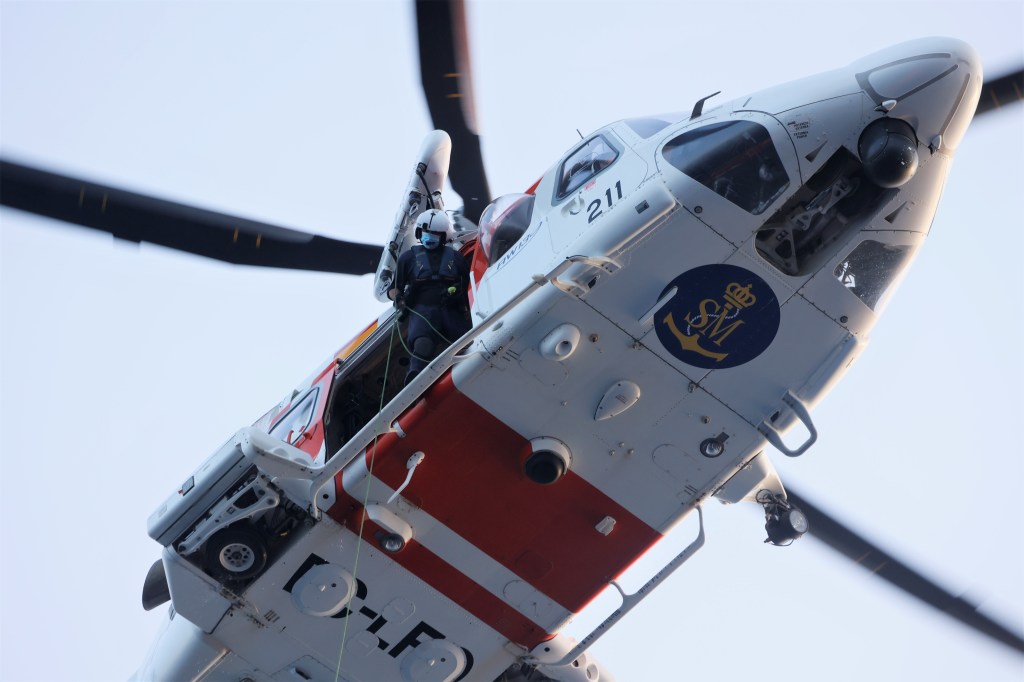
Startle and surprise can impair pilot performance and affect flight safety. This study investigates the prevalence of different startle and surprise events among helicopter pilots, its impact on pilot stress and mental effort and the influence of training background. It also looks at currently used startle mitigation strategies and evaluates the usability of a previously proposed “Aviate, Breathe, Check (ABC)” startle management method (Piras et al. 2023). A survey among 234 helicopter pilots revealed that 96% had experienced impactful startle or surprise events during operations. Scenarios such as disorientation, tail rotor incidents, and flight into instrument meteorological conditions (IMC) were considered particularly stressful. Reported levels of stress and mental effort during startle and surprise events did not differ between pilots with higher and lower experience levels or between pilots with a different training background (military or civilian). Only 38% of pilots indicated they were specifically trained to deal with startle and surprise and only 1% were trained to use a breathing technique. Most pilots (90%) expressed openness to implementing the ABC method and expected benefits from using it. Concerns regarding time constraints in critical situations emerged as the primary objection to adopting this technique. Overall, the findings indicate that the introduction of a startle management method tailored for helicopter operations could significantly enhance safety, especially given the higher accident rates compared to fixed-wing operations. Future research should focus on developing effective training protocols that account for the unique challenges of helicopter flying.
Cabin crew startle and surprise: occurrence and impact.
CITATION:
Vlaskamp, D., Pollitt, A., Blundell, J., Landman, A., Groen, E.L., van Paassen, M.M., Stroosma, O. and Mulder, M., (2026).. Cabin crew startle and surprise: occurrence and impact. Cognition, Technology & Work https://doi.org/10.1007/s10111-026-00866-5
ABSTRACT:
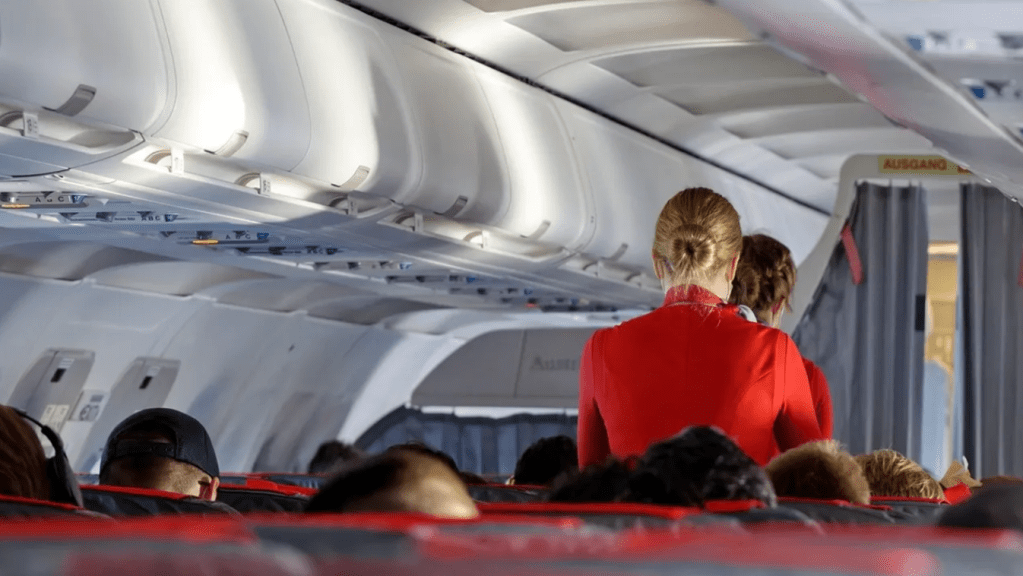
Startle and surprise are known to impair pilot performance during non-normal flight conditions. In the past years research has focused on developing strategies to help pilots mitigate startle and surprise responses to unexpected situations. However, no equivalent research exists for cabin crew. This study investigates the prevalence, impact on crew performance, and emotional consequences of startle and surprise among cabin crew, as well as the way in which it is currently trained. A survey was conducted among 348 European-based cabin crew to gather data on in-flight events that provoked startle, surprise, or both. Objective measures included stress ratings, perceived impact on performance, perceived emotional control, training exposure, and lasting anxiety. Qualitative data were also collected to assess crew responses and coping mechanisms. Out of 348 respondents, 79.3% reported having experienced startle, surprise or both. High stress levels were significantly correlated with perceived performance impairments and lasting anxiety. Current startle and surprise training improved perceived preparedness but did not reduce perceived stress or anxiety. Emotional control was deemed a key protective factor. Startle and surprise can cause operationally significant impact on cabin crew performance. Training that includes simple, effective emotional regulation strategies, such as those developed for pilots, is currently lacking and may help improve both immediate performance and long-term psychological resilience in the cabin environment, as may increased peer-support access.

