I bring you a weekly bite-sized chunk of the science behind helicopter human factors and CRM in practice, simplifying the complex and distilling a helicopter related study into a summary of less than 500 words. This week: Pilots gaze more outside while performing an auditory cognitive task.
Tag Archives: Aviation
H2F BITE-SIZE 1
I bring you a weekly bite-sized chunk of the science behind helicopter human factors in practice, simplifying the complex and distilling a helicopter related study into less than 500 words.
Creativity in the cockpit.

Can creative thinking help to mitigate the effects of operational unpredictability? Helicopter operations involve a high degree of unpredictability. A survey of helicopter crew has showed that a high proportion recognise the role that creativity plays in successfully managing uncertainty in flight operations.
Getting the right amount of stimulation from your simulation: What role does fidelity have in training to fly?
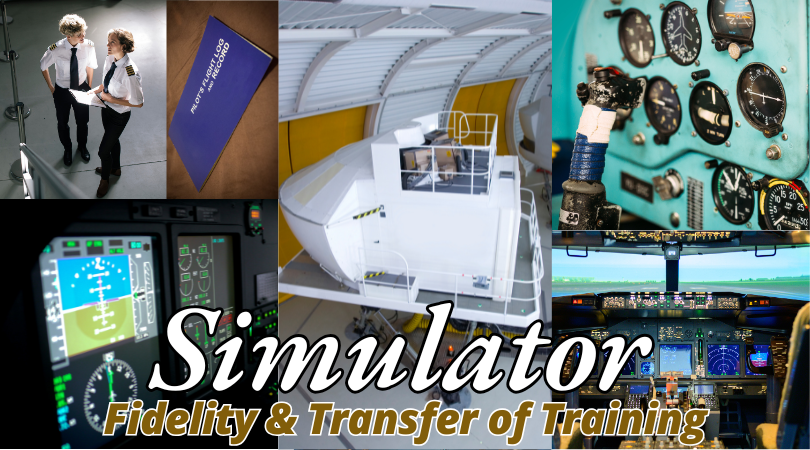
Full flight simulators are amazing tools for learning. Training devices have become more sophisticated, more true to the environment they recreate and, with this innovation, more expensive to use as well. But have these advances made them more effective as training tools in parallel, or is there a limit to the benefits of ever-increasing realism to the learning environment? This article aims to explain two of the key concepts in using simulated environments for training, fidelity and transfer of training, and invites you to consider the pros and cons of your own experiences of teaching and learning in the simulator.
The need for speed? How slowness has a value all of its own.

Human exploits in aviation have always been closely linked to our fascination for speed. We admire speed in its many guises and it remains a marker of achievement in almost any field you care to think of. In aviation, just as in many other walks of life, we often assume the faster the better. We associate speed with competence. But what if we could disassociate the idea of slowness with incompetence? What if instructors were made to teach the opposite? What if we came to associate a slow response with higher skill levels and greater professionalism?
 competentaviators.com