
I bring you a weekly bite-sized chunk of the science behind helicopter human factors and CRM in practice, simplifying the complex and distilling a helicopter related study into a summary of less than 500 words. This week: The potential of flight simulation to support pilot training for mountain helicopter emergency medical services.
Category Archives: Workload
H2F BITESIZE #16
I bring you a weekly bite-sized chunk of the science behind helicopter human factors and CRM in practice, simplifying the complex and distilling a helicopter related study into a summary of less than 500 words. This week: Distributed Cognition in Search and Rescue: Loosely coupled tasks and tightly coupled roles.
H2F BITESIZE #15
I bring you a weekly bite-sized chunk of the science behind helicopter human factors and CRM in practice, simplifying the complex and distilling a helicopter related study into a summary of less than 500 words. This week: Pilot Monitoring: Summary of Research and Applied Training Tools
Landing blind: from battlefield brownout to the civil cockpit
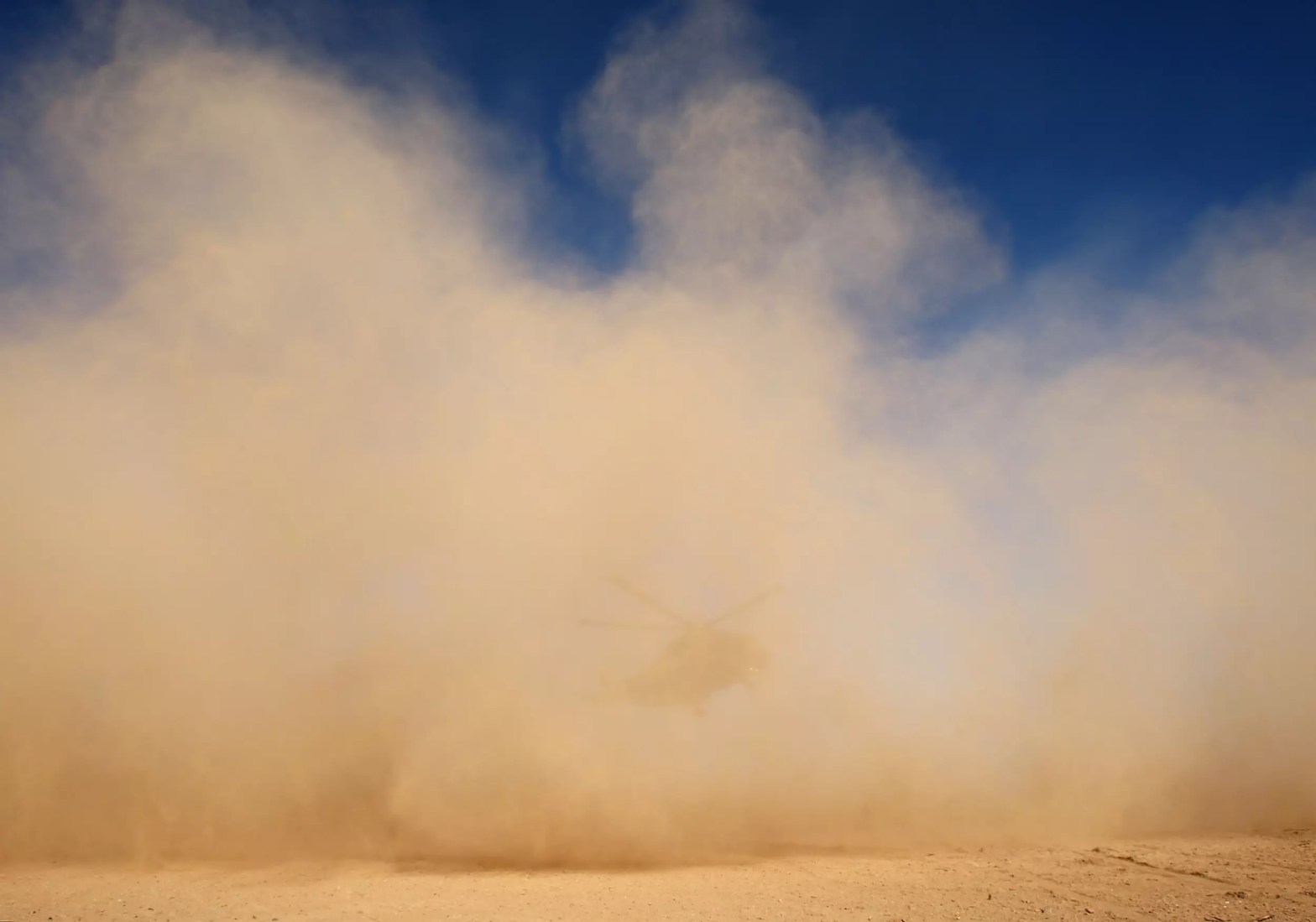
Technology may one day give us perfect vision through dust and snow. Until then, or as long as helicopters land on unprepared surfaces, brownout will remain a hazard in rotary-wing operations. Civil pilots cannot avoid it entirely, but they can manage it intelligently: Why discipline, teamwork, and training still trump technology in brownout
H2F BITESIZE #14
I bring you a weekly bite-sized chunk of the science behind helicopter human factors and CRM in practice, simplifying the complex and distilling a helicopter related study into a summary of less than 500 words. This week: The role of shared mental models in team coordination CRM skills of mutual performance monitoring and backup behaviors.
H2F BITESIZE #13
I bring you a weekly bite-sized chunk of the science behind helicopter human factors and CRM in practice, simplifying the complex and distilling a helicopter related study into a summary of less than 500 words. This week: Effects of Hydration on Cognitive Function of Pilots.
H2F BITESIZE #12
I bring you a weekly bite-sized chunk of the science behind helicopter human factors and CRM in practice, simplifying the complex and distilling a helicopter related study into a summary of less than 500 words. This week: Differences in physical workload between military helicopter pilots and cabin (technical) crew.
H2F BITESIZE #11
I bring you a weekly bite-sized chunk of the science behind helicopter human factors and CRM in practice, simplifying the complex and distilling a helicopter related study into a summary of less than 500 words. This week: Investigating Offshore Helicopter Pilots’ Cognitive Load and Physiological Responses during Simulated In-Flight Emergencies
How do you know when cognitive workload is affecting your performance?
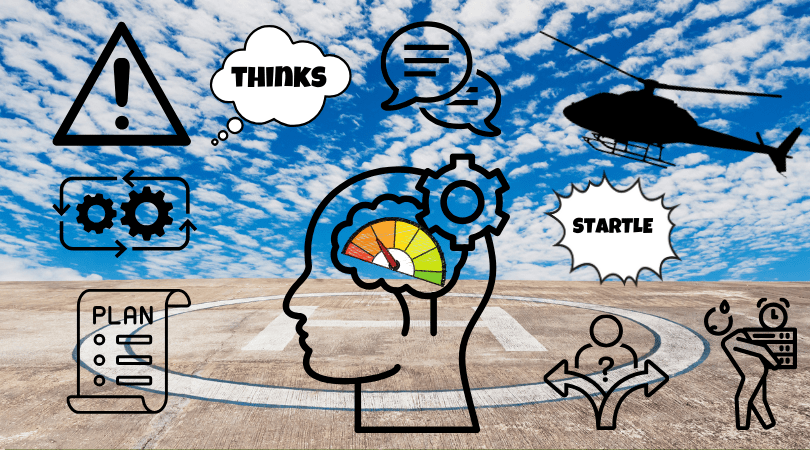
Cognitive workload is an important variable with which to understand pilot performance, particularly when under pressure, but measuring it is notoriously difficult. A recent study by Brazilian test pilots and academics investigated new methods of measuring it during helicopter emergencies. In a world in which we are adding advanced cockpit systems at an ever increasing pace a better understanding of how and when pilots are impacted by cognitive capacity will allow us to design better for management and mitigation of workload breakdowns in critical flight scenarios.
 competentaviators.com